
Navigating the GCSE Journey: Top Takeaways from our forthcoming Year 9 Options and Partnership for Success Events
The transition from the broad explorations of Key Stage 3 to the focused specialisation of GCSEs is a defining milestone in a child’s schooling. It is a period naturally charged with both ambition and trepidation for families. This coming week, we will be hosting two landmark events to illuminate this path: the Y9 GCSE Options Evening on Monday 9 February and our ‘Partnership for Success’ parent session on Thursday 12 February, with a focus on effective revision and exam preparation. These sessions are not merely information briefings, but the foundation of a strategic roadmap. The following provides the tactical advantages parents and students need in order to progress from general study to high-performance GCSE choices with absolute confidence.
Takeaway 1: Use the ‘Decision Compass’ to Chart a Course!

Selecting GCSE subjects requires a proactive, strategic approach. We advise students to navigate using the Decision Compass, which filters every choice through three Smart Criteria:
Results So Far: What skills have you demonstrated? Which subjects show consistent evidence of success?
Enjoyment: Which subjects capture your genuine interest? The data is clear: enjoyment isn't a luxury; it's a performance multiplier. Interest drives engagement, and engagement drives the independent study required for top grades.
Future Plans: Do you have a clear career aspiration (such as Medicine, Law, or professional waterslide tester), or is your priority to keep all doors open through a balanced selection?
Conversely, students must be vigilant against Navigation Hazards. Choosing a subject for the following reasons is a high-risk strategy that often leads to regret:
"My friends are picking it."
"I like the teacher."
"It sounds easy."
"I want to go on the trip!"
Takeaway 2: Helping You to Decode the 9-1 Grading Landscape
The modern GCSE structure is a significant departure from the alphabetical grades parents may recall. The 9–1 Scale, introduced in 2016, is designed to provide greater differentiation at the top end:
A Grade 4 is a "Standard Pass" (equivalent to a C), while a Grade 5 is a "Strong Pass" (the border of the old B and C).
For those aiming higher, a Grade 7 is an A, and a Grade 8 broadly correlates with the former A*
Grade 9 is the ‘new ceiling’, reserved for the highest attainment and above the old A* threshold.
Most GCSEs are now linear, meaning the majority of the weight rests on exams at the end of Year 11. However, coursework (non-exam assessment) remains a vital component in some subjects, including Art, Dance, Drama, DT, English, Music, Food Preparation & Nutrition, and PE.
The Road Ahead: Key Deadlines for Year 9
To ensure your child's journey begins on a firm footing, please mark these critical dates:
9 February: our Options Evening launch event, starting at 6pm in Big School.
10 February: Preliminary Choices open via Google Form.
16 March: Year 9 Grade Card issued (it is advisable to review this data to inform final choices).
23 March: Final deadline for GCSE choices.
The GCSE journey is a shared marathon, not a sprint.
It requires careful pacing, the right equipment, and a unified support team. By using the Decision Compass to make informed choices and adopting evidence-based revision strategies early, our students can navigate these two years with poise and purpose.
Takeaway 3: Revising Smarter by Defeating the ‘Forgetting Curve’
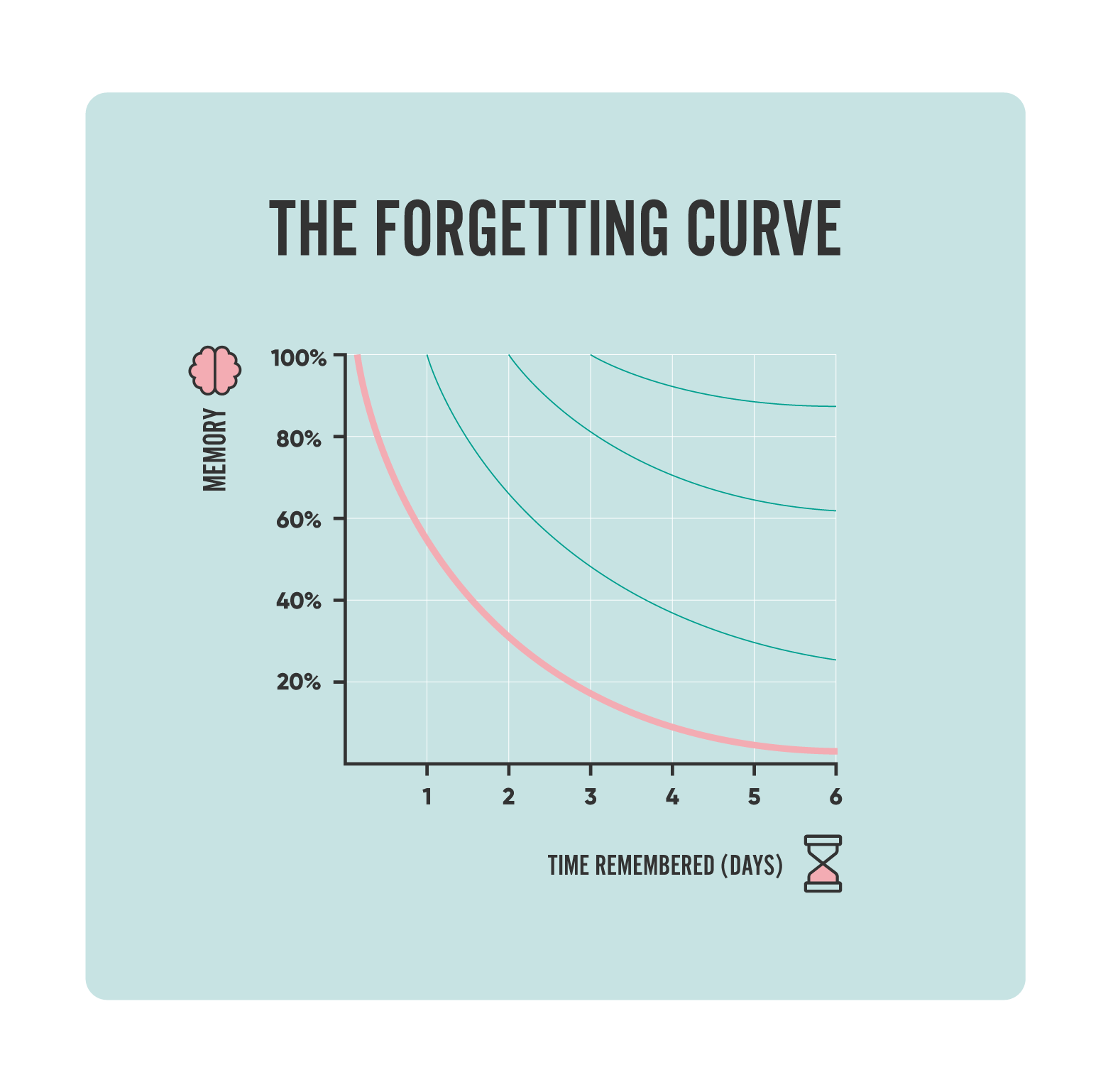
Our Thursday evening event, ‘Partnership for Success’, is an opportunity to discuss some of the best ways to support your child through the vital exam season ahead. Academic success is rarely about the volume of hours; it is about the cognitive science behind the strategy. Evidence-based revision focuses on defeating Hermann Ebbinghaus’s ‘Forgetting Curve’ - the rate at which our brains naturally discard new data.
To anchor information in long-term memory, we recommend three core tactics for effective study and revision:
Retrieval Practice: The ‘gold standard’ of active revision. Instead of passively re-reading or highlighting, students should regularly ‘pull’ information from their memory via quizzes, flashcards, peer- and self-testing, and past papers.
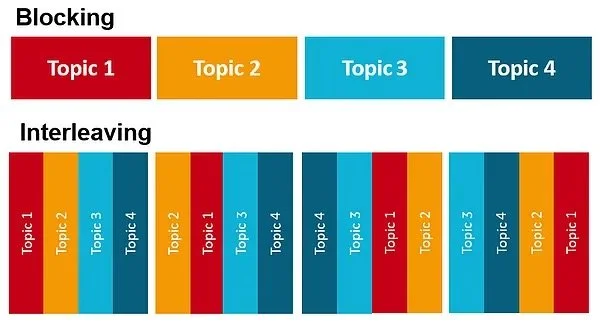
Spaced Practice: Avoid the ‘cramming’ trap! By spacing out topics and revisiting them at increasing intervals, the brain is forced to work harder to recall information, which strengthens the neural pathways.
Dual Coding: This involves combining words with visuals to create two distinct memory trails. For instance, instead of just memorising a French vocabulary list, students should draw a small icon for each word. This visual trigger makes recall significantly more efficient under exam pressure. Mindmaps are an excellent way to do this!
Takeaway 4: The Six Roles of the ‘Parental Playbook’
Parental support during exam season is vital, even if you are by no means a subject expert. Follow the Parental Playbook by adopting these six key roles:
Provider: Ensuring they have the tools and resources.
Study Buddy: Showing interest and helping with testing when asked.
Sounding Board: Listening to their ideas and providing constructive feedback.
Adviser: Helping them break large tasks into manageable "chunks."
Project Manager: Assisting with a realistic timetable and balancing work with leisure.
Go-Between: Liaising with teachers and the school when support is needed.
To support these roles, you should also establish an effective study environment: a dedicated desk, a comfortable chair, good light, proper ventilation, and, critically, reduced distractions. Whilst soothing music or Brian Eno-style ambient soundscapes might be great for focus and concentration, Slipknot and screentime are best avoided during dedicated study times.
Always remember: success is a journey we take together… We look forward to seeing the parents of Year 9 next Monday and of Years 10-13 on Thursday!
- Mr David Clarke, Deputy Head (Academic)
