
Afro-Caribbean Society Shares a Powerful Message
I am always struck by the deluge of micro aggressions many Black people have to face, often on a daily basis. On a train, for example, you’ll be the last person a white traveller will sit next to as they assess where to sit. In London you’ll need on average two or three vacant black cabs for one to stop. In shops and in stores the body language of the service provider readily tells you’re not welcome. These unspoken and at times spoken narratives at work and beyond are designed to make you feel less than others.
These are the words of Sir Simon Woolley, the Principal of Homerton College, University of Cambridge.
What Sir Simon describes isn’t just something that happens “out there.” It happens here too, in schools. Around us. In the classrooms. It’s in the jokes that aren’t funny. The questions that cross the line. The silences when someone should speak up.
Microaggressions are small – but their impact isn’t. They teach people to shrink. To second-guess. To feel like they don’t belong. But we’re not here to shrink. We’re here to stand tall. This is why the theme for UK Black History Month this year is “Standing Firm in Power and Pride”. In who we are, where we come from, and what we know we deserve.
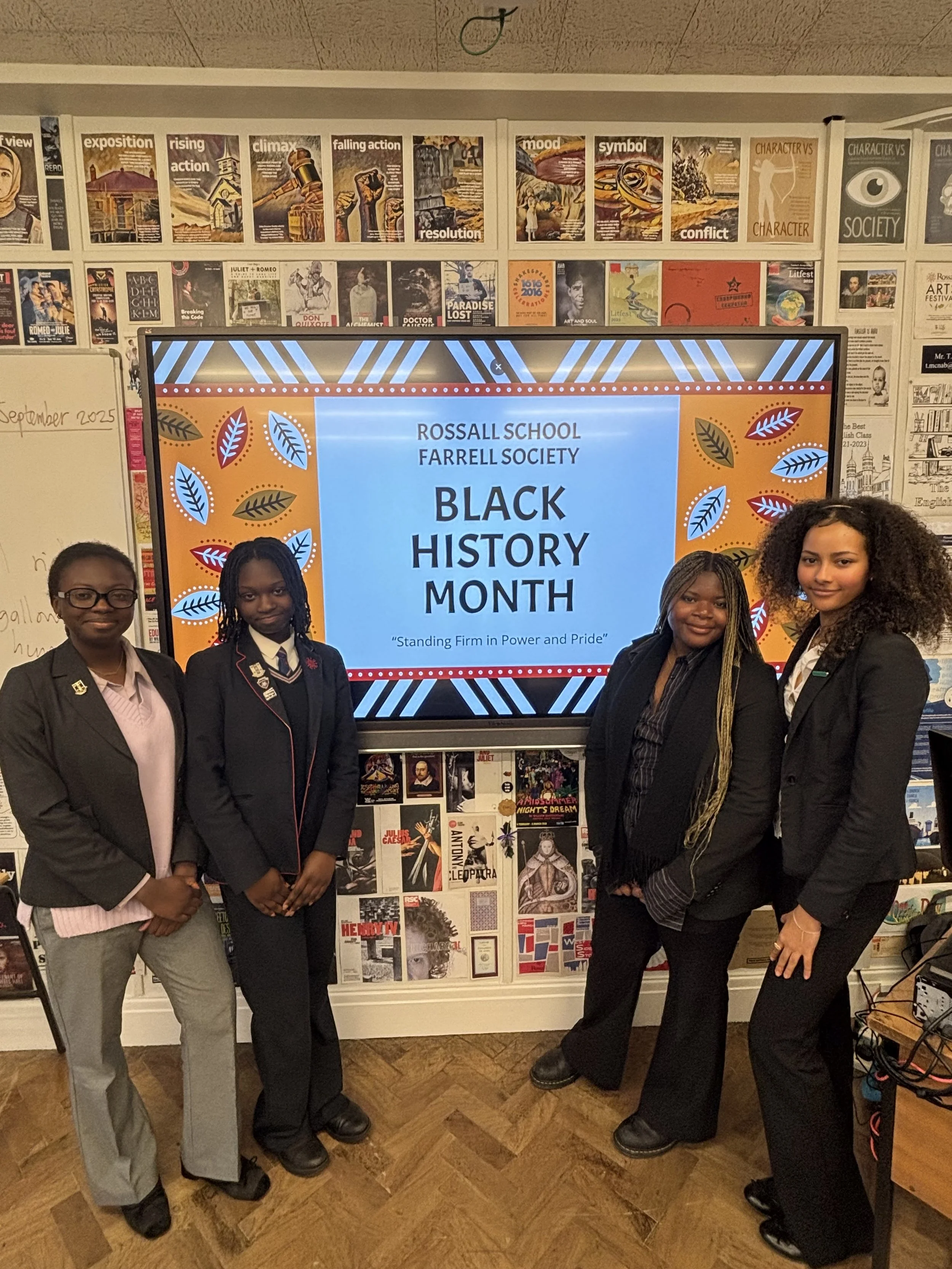
Pride doesn’t just mean being loud- it's about refusing to be made small. And power doesn’t mean overshadowing others- it's a refusal to be overlooked. When we name the problem, it’s our first step to solving it. So as we stand firm in Power and Pride today, we invite others to do the same.
A microaggression is a subtle comment, action, or behaviour that may seem small or harmless, but actually reinforces stereotypes and in the end causes hurt — especially towards people from marginalised groups. It’s often not meant to offend, which is why many people don’t realise they’ve said something hurtful. But intention doesn’t erase impact. Phrases like “you speak English so well…,” or “they’re always so loud and dramatic?” might seem like curiosity or compliments, but they send a message: You’re different. You don’t fully belong. These moments, repeated over time, can chip away at someone’s confidence and sense of identity. The sad truth is, microaggressions happen in everyday conversation, and often come from people who don’t think of themselves as biased. That’s why awareness is so important — so we can all do better, choose our words more carefully, and make sure everyone feels seen, respected, and included.
So today, we have decided to break down some stereotypes and micro-aggressions, faced by students of African-Caribbean descent in society.
Two of the most damaging stereotypes that Black students face are the assumptions that we are aggressive or too loud or confrontational. These labels are often based not on behaviour, but on bias — the way someone’s tone, body language, or confidence is unfairly judged. A student expressing frustration might be seen as a threat, while others are simply “having a moment.” Someone speaking up for themself might be called rude, while another is praised for being assertive. These stereotypes are not just offensive — they have real consequences. They lead to the silencing of voices, and a constant pressure to “tone it down” just to be accepted. However, we believe that confidence isn’t aggression, and passion isn’t a problem. No student should have to shrink themselves to make others feel comfortable. Their voices, emotions, and presence are valid and deserve respect, not suspicion.
